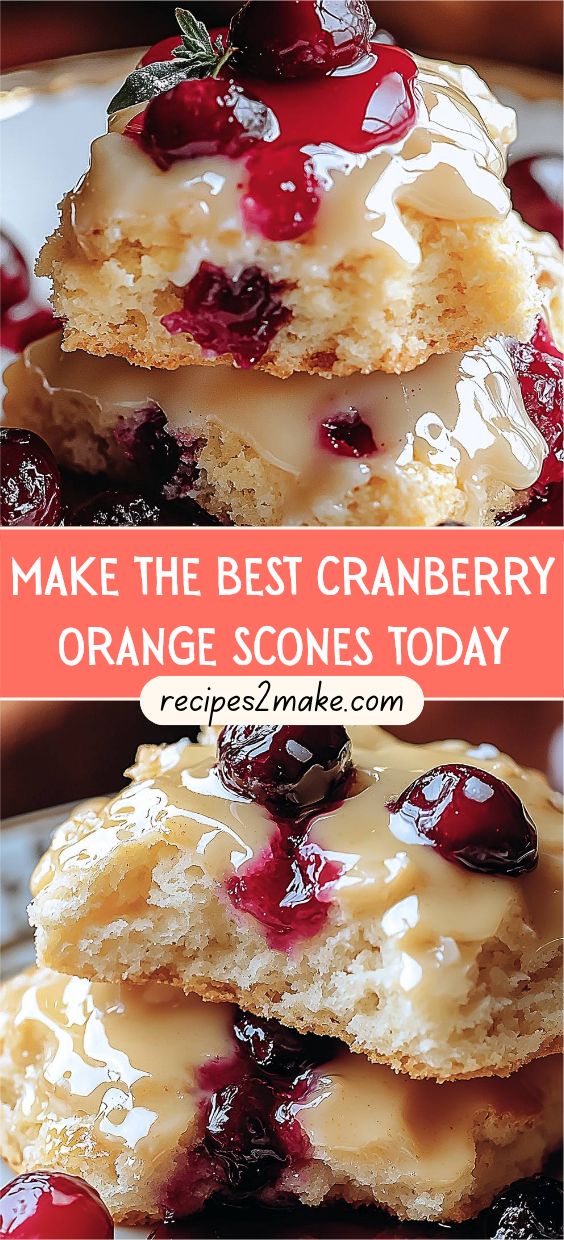
Secrets to Flaky Cranberry Orange Scones: Cold Butter & Zest
Imagine waking up to the irresistible aroma of freshly baked goods filling your home. You pour a hot cup of coffee or tea, reach for a warm, tender scone with crunchy edges, and take a bite that delivers a burst of tart cranberry and fragrant orange. This isn't just a fantasy; it's the reality you can create with the perfect
cranberry orange scones recipe. While seemingly simple, mastering these delightful pastries hinges on a few crucial, yet often overlooked, techniques that elevate them from good to truly exceptional. Forget dense, cake-like scones – we're talking about light, airy, and spectacularly flaky treats that will brighten any morning, especially a chilly one.
The secret to achieving this magic lies in two fundamental principles: harnessing the power of fresh orange zest and diligently maintaining cold ingredients. These aren't mere suggestions; they are the cornerstones of a truly outstanding scone. Let’s dive into how these seemingly small details make a monumental difference in your baking.
The Magic of Flavor: Unlocking Orange Zest's Potential
Many recipes call for orange zest, but few emphasize the specific technique that unleashes its full aromatic power. For this
cranberry orange scones recipe, the first critical step is to rub the finely grated orange zest directly into the granulated sugar. Why? The zest, the thin, brightly colored outer layer of the orange, is packed with flavorful essential oils. When you gently rub it into the sugar, the friction and the sugar crystals work together to break open the oil sacs in the zest, releasing and intensifying those vibrant citrus notes. This isn't just about adding orange flavor; it's about infusing the sugar itself with a deeply aromatic essence that will permeate every part of your scone dough.
Consider using a microplane for grating to get the finest zest without any bitter white pith. While any orange will work, Navel or Valencia oranges often provide a good balance of flavor and zest quantity. This simple act transforms the sugar from a mere sweetener into a fragrant carrier, ensuring each bite of your scone is kissed with the bright, sunny essence of orange. The scent alone as you perform this step is a promise of the deliciousness to come!
The Golden Rule of Flakiness: Embracing Cold Ingredients
If there's one commandment in the scone-baking bible, it's "keep everything cold." This is perhaps the most vital secret to achieving that coveted tender crumb and incredible flakiness in your
cranberry orange scones recipe. Butter, eggs, and heavy cream should all come straight from the refrigerator, or even better, a quick stint in the freezer before you begin.
Here's the science behind it:
- Cold Butter: When cold butter is incorporated into the dough, it remains in small, solid pieces. As the scones bake in a hot oven, these tiny pockets of butter melt, releasing steam. This steam pushes up the layers of dough, creating air pockets and resulting in a light, flaky texture, similar to puff pastry. If your butter is warm, it melts into the dough too quickly, leading to a denser, more cake-like scone with less lift.
- Cold Eggs and Cream: Like butter, keeping your liquid ingredients cold helps maintain the overall low temperature of the dough, preventing the butter from softening prematurely. This ensures the butter remains intact in distinct pieces until it hits the oven.
While food processors or box grates can incorporate butter quickly, many experienced bakers, myself included, prefer using their fingers to flatten and work the cold butter cubes into the flour mixture. By gently pressing and flattening the butter into small, cold flakes, you create more surface area for the butter to create those distinct layers. This technique effectively "laminates" the dough in a rustic way, promising a truly flaky, not dense, result. Don't worry about being too perfect; the goal is small, cold pieces, not a smooth blend.
Crafting the Perfect Dough: Technique & Texture
Once you've mastered the cold ingredients and zest infusion, the next crucial step in your
cranberry orange scones recipe is the dough itself. The key here is gentle handling and avoiding overworking. Scone dough is not like bread dough; it doesn't need to be smooth and elastic. In fact, a slightly shaggy, uneven texture is exactly what you're aiming for.
When mixing, use your hands. Not only does this allow you to better gauge the consistency of the dough, but it also helps prevent overmixing, which can activate too much gluten and lead to tough scones. Gently bring the clumps of dough together until just combined. It will look a bit craggy around the edges, and that's perfectly okay – it’s a sign that you haven’t overdeveloped the gluten.
For the star fruit of this recipe, cranberries, you have options. Both fresh and frozen cranberries work wonderfully. If using frozen, *do not defrost them*. Adding them straight from the freezer prevents them from bleeding their color into the dough and becoming mushy. I personally love the burst of tartness from whole cranberries, which provides a delightful contrast to the sweet dough. However, if you prefer smaller pieces, a quick pulse in a food processor (just enough to chop them coarsely, not pulverize them) will do the trick.
Another brilliant tip, especially if you're planning ahead, is to prepare the dough, cut out the scones, and refrigerate or even freeze them before baking. This technique, championed by baking legends like Ina Garten, allows you to enjoy freshly baked scones with minimal morning effort. You can make the dough the night before, cut the wedges, and pop them into the fridge. The next morning, simply transfer them to a preheated oven. This not only simplifies your routine but also acts as an extended "cold chill" for the butter, further enhancing flakiness. For more ideas on how to prepare these ahead of time, explore
Bake Ahead: Stress-Free Cranberry Orange Scones for Any Day.
Before baking, a final quick chill of the shaped scones (15-30 minutes in the freezer) is a game-changer. This ensures the butter is thoroughly firm and helps prevent the scones from spreading too much in the oven, maintaining their beautiful shape and height.
The Final Touches: Baking & Beyond
With your perfectly prepared dough, the baking process for your
cranberry orange scones recipe is straightforward. Preheat your oven to a robust 400°F (200°C). The high heat helps the butter melt rapidly and create that steam, contributing to the rise and flakiness. Line your baking sheet with parchment paper for easy cleanup and to prevent sticking.
Bake until the tops are golden brown and the edges are slightly crunchy. The sweet, citrusy aroma filling your kitchen will be your best indicator that they're almost ready. Once out of the oven, let them cool slightly on a wire rack.
While delicious plain, a sprinkle of powdered sugar (for that "magical" look and touch of sweetness) or a simple orange glaze made from confectioners' sugar and fresh orange juice can elevate them further. This glaze provides an extra layer of citrus punch and a beautiful sheen.
Serve these warm, buttery, flaky scones with your favorite coffee or tea. They are perfect for a cozy breakfast, an elegant brunch, or a comforting afternoon treat. For more simple and delightful ways to enjoy these scones, check out
Easy Cranberry Orange Scones: Perfect for Cozy Mornings & Weekends.
Conclusion
Mastering the
cranberry orange scones recipe is a journey that rewards precision and patience. By understanding and implementing the secrets of rubbing zest into sugar, diligently maintaining cold ingredients, and handling your dough gently, you'll consistently achieve scones that are not just good, but truly extraordinary. Each bite will be a testament to your effort – a perfect harmony of sweet, tart, tender, and flaky. So, gather your ingredients, embrace these tried-and-true techniques, and prepare to delight yourself and your loved ones with the best cranberry orange scones you've ever tasted. Happy baking!